






WeChat ID :


Login/Register

 Posted on 23 May 2022
 281
281



Many people choose to inspect a house themselves to save money on a professional inspection. Before beginning the inspection, it is important to study the process and every point that must be checked carefully.
During a house inspection, however, many people overlook small but important points. This can cause problems after signing the transfer, leaving them to pay for repairs themselves and spend time looking for a trustworthy contractor. Let us review 10 important points that are often overlooked during a house inspection, so you do not sign the transfer and then worry afterward.
1. Leaks
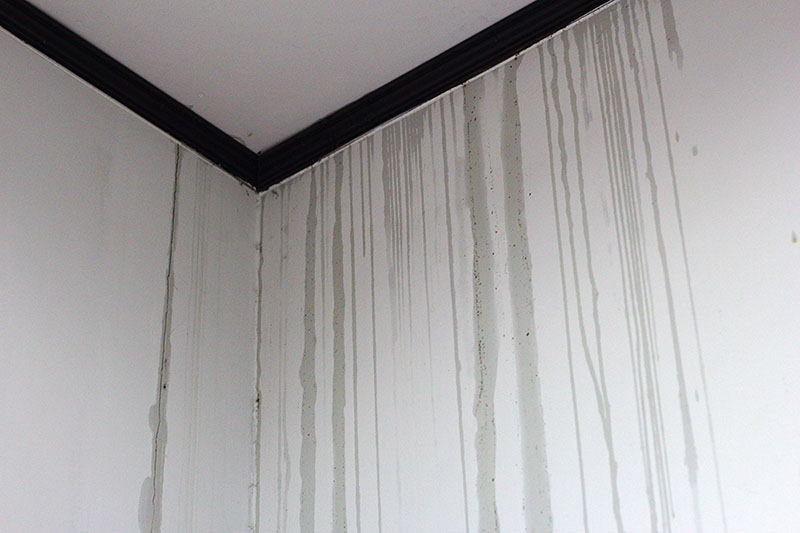
Water leaks are one of the main problems people encounter after inspecting a house, whether from the roof, bathroom, or, most seriously, the main water pipes. If they are not checked carefully, they can cause rust stains and mold, and water seepage can make materials deteriorate. If possible, inspect the house during the rainy season. If the rainy season has ended, ask the project to inspect above the ceiling to look for seepage.
2. Electrical wiring
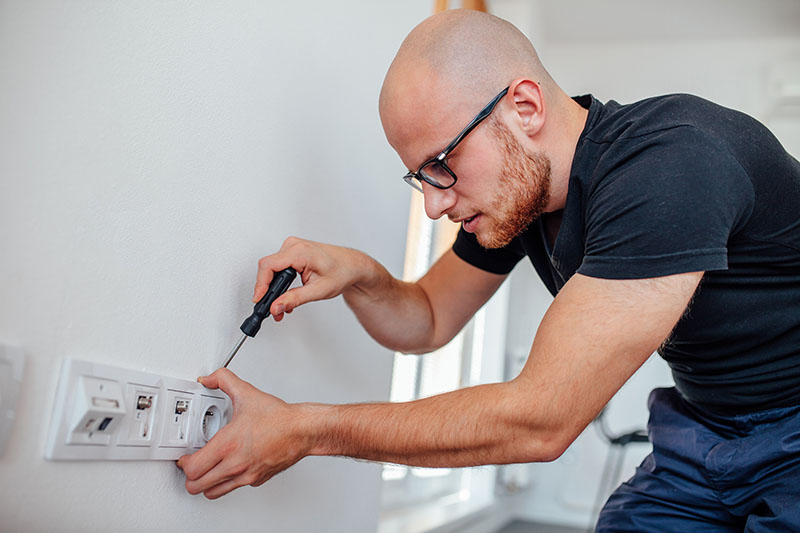
The electrical system inside the home is extremely important. If it is installed in a way that does not suit the house, it can cause problems in use. Some older projects may still use an old wiring system that needs to be upgraded for today’s users. Checking the electrical system and wires is therefore something that must not be overlooked.
3. Damaged roof
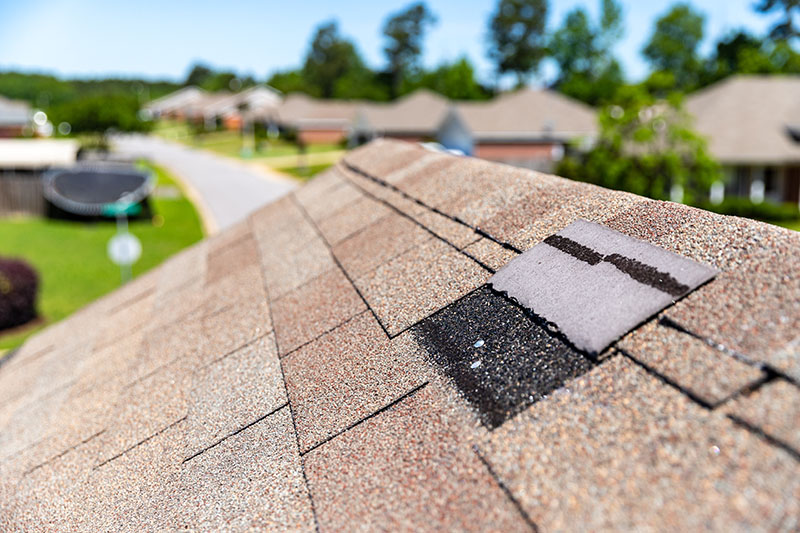
A damaged roof can create many problems inside the home and harm both the structure and the decoration. Roof repairs can also be expensive. If a roof problem is discovered later—whether caused by poorly laid tiles, seepage, or even a small dent—repairing it will certainly not be worthwhile.
4. Small defects
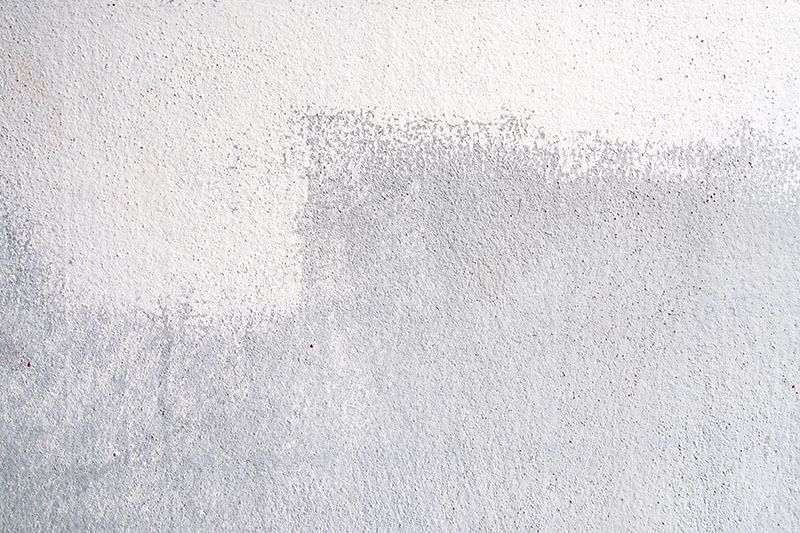
People often overlook small defects inside the house, such as marks in the wall paint, chips in furniture, especially built-in furniture, or small stains that came with the house. For peace of mind and to reduce later maintenance costs, it is better to check these defects before accepting the house.
5. Structural problems
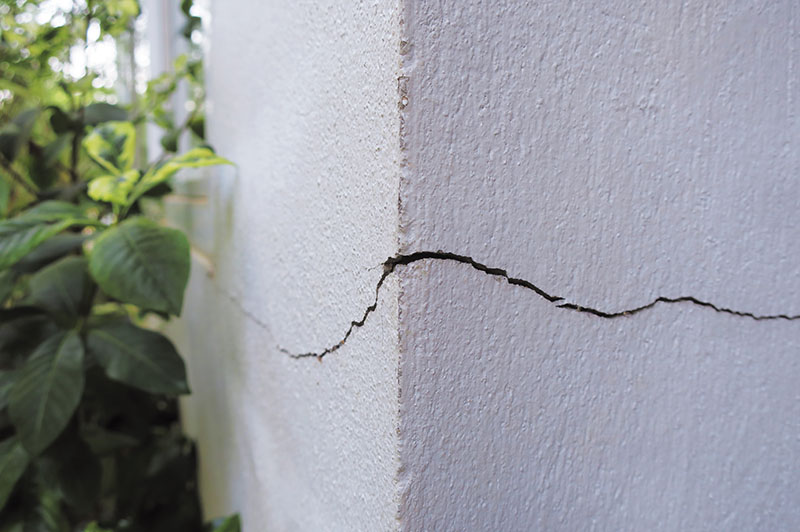
Cracked walls, sagging doors, windows that do not close tightly, or deteriorated silicone around windows are structural problems often found after a house inspection. These problems may reduce the value of the house if it later has to be sold.
6. Water-pipe problems
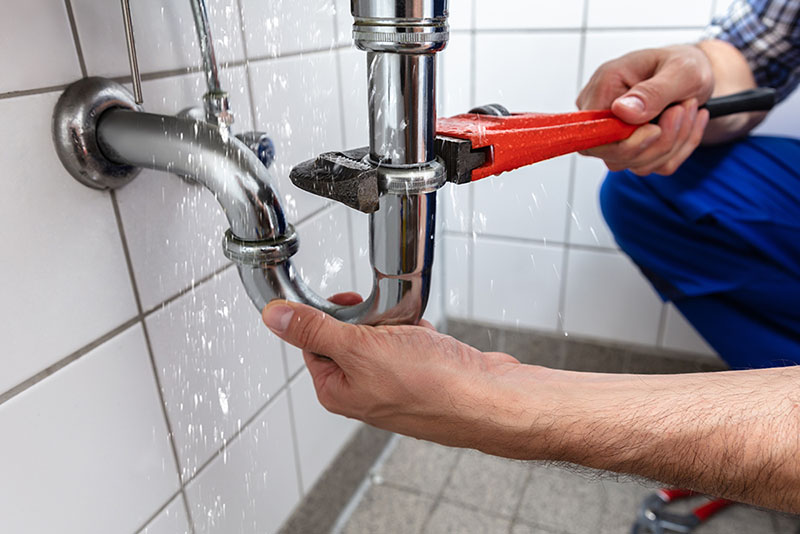
Water-pipe problems can make the water bill rise sharply. If you do not check carefully and later discover a leaking pipe, it can lead to mold and cracks in walls and pipes. You may even pay an unexpectedly high water bill.
7. Untidy exterior work
Whether it is the walkway, lawn, moisture around the house, or fencing, poor checking may reveal sloppy work. Besides affecting appearance, it may also create problems in use later.
8. Ventilation openings
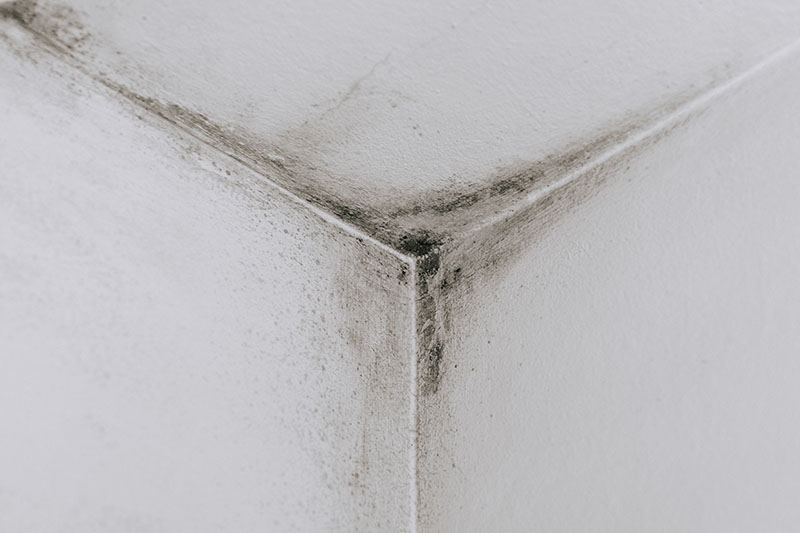
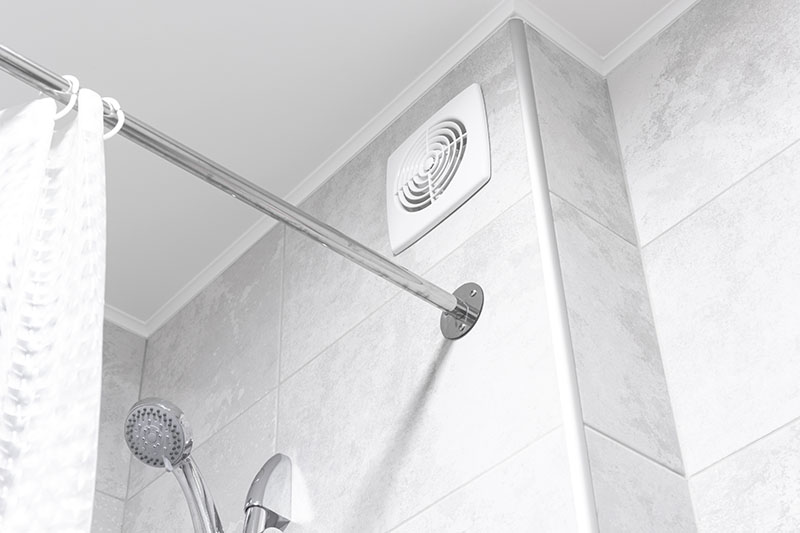
Ventilation openings in the kitchen, bathroom, and equipment room are important and must not be overlooked. These areas have high humidity. Without sufficient ventilation, mold, algae, and deterioration around the corners of the house may follow.
9. Other details
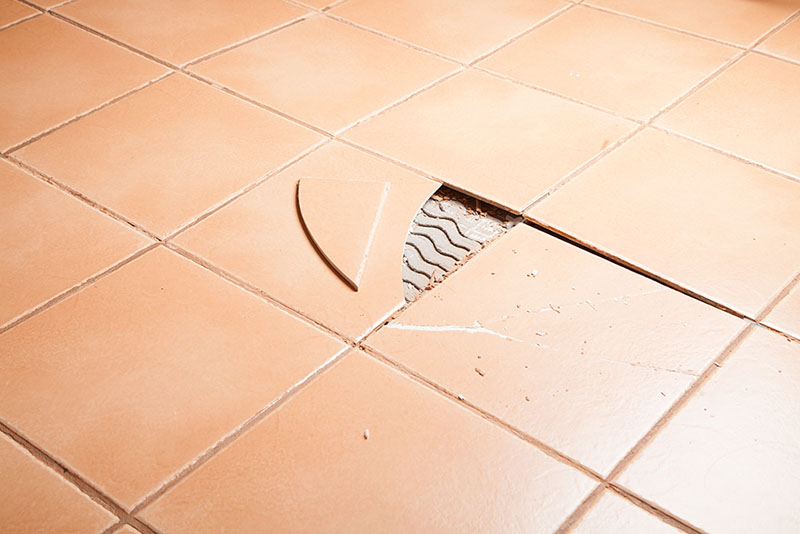
Other details may appear after the inspection, such as nails that are not fully driven in, broken light bulbs, cracked tiles, or poor grouting. To avoid problems, it is best to check them during the inspection.
A house inspection is the final step that deserves attention before deciding to sign the transfer. After this step, it becomes difficult to ask the project to correct incomplete work and defects inside the house. Therefore, report any part that makes you uncomfortable or that you want the project to fix as early as possible, so you do not have to deal with a headache later.