






WeChat ID :


Login/Register

 Posted on 21 Jun 2026
 28101
28101


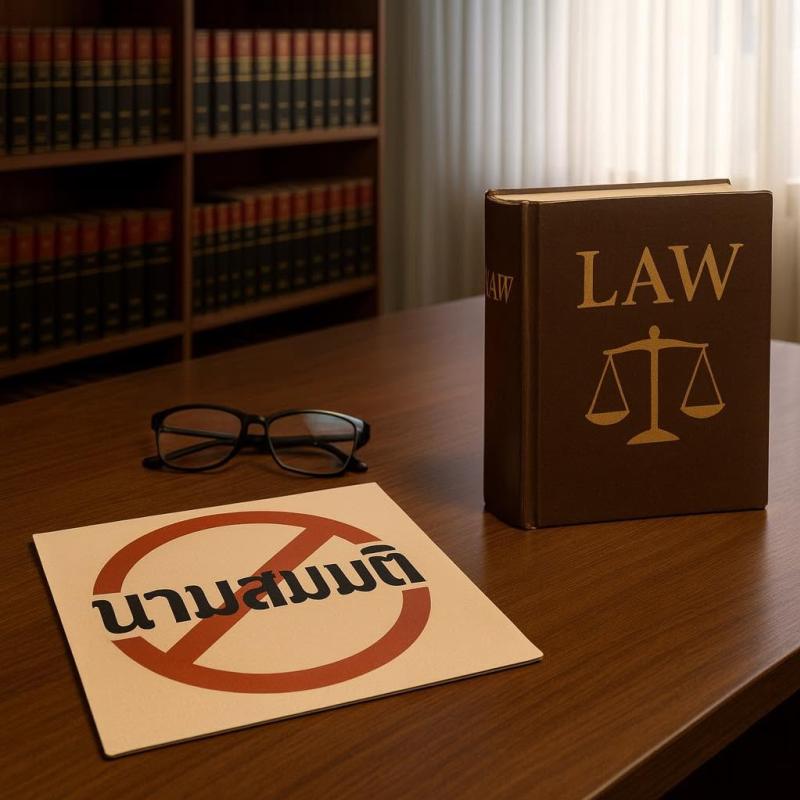
If you criticize someone
but replace their real name with an alias
does that make the post legally safe?
.
Many people have wanted to gossip about
or criticize someone
without stating the person’s real name.
They may use “Mr. A”
“Ms. B”
or a humorous nickname
that appears to refer to no one directly.
.
This can create a false sense of safety.
Not naming a person
does not automatically remove the possibility of defamation under Thai law.
.
### The law considers more than the name used
Under the general principles of Thailand’s Criminal Code
defamation involves making an allegation about another person
to a third party
in a manner likely to damage that person’s reputation
or expose them to hatred or contempt.
When the statement is distributed through Facebook
YouTube
or another publicly accessible online channel
it may be considered defamation by publication
depending on the facts and circumstances of the case.
.
The important point is that the law does not require
the subject’s real name to appear.
If the wording
images
or surrounding context
allows readers to connect the details and identify the person
the publisher may still face legal risk.
.
### Identifying details are the real danger
Imagine a post that says:
“A male property agent
around 40 years old
who owns an agency in the Huai Khwang area
is now in debt and addicted to drugs and gambling.”
.
The statement does not contain a name.
However
if the description is narrow enough
for industry contacts
clients
or acquaintances to immediately know who it means
calling the subject a “fictional person”
may offer little protection.
.
The legal question therefore extends beyond the name typed in the post.
It includes the full set of details
that can identify a person
and cause reputational damage.
.
### A true statement is not permission to publish everything
Another common belief is:
“If it is true
it cannot be unlawful.”
Truth can be relevant to a legal defence.
But it should not be treated as unrestricted permission
to expose every aspect of another person’s private life.
Thai law contains conditions
exceptions
and considerations relating to public interest.
The content
intent
context
audience
and available evidence
must therefore be considered together.
.
### “A new law bans gossip under an alias” is not an accurate explanation
The offence was not newly created
simply because people began using aliases online.
The central principle remains the same.
If a statement identifies a person
and makes an allegation likely to damage that person’s reputation
changing the real name to an alias
does not make the risk disappear.
.
### Ask three questions before posting
1. Would people in the relevant community know who the post is about?
2. Is the statement likely to damage that person’s reputation or expose them to hatred or contempt?
3. Is there a clear reason, reliable evidence and genuine public interest supporting publication?
.
If any answer remains uncertain
not publishing the post
or consulting a qualified legal professional first
may cost far less than explaining the statement in court.
.
The point to remember is simple.
An alias is not a legal shield.
If readers can identify the person targeted by the statement
the legal risk may remain.
.
Note: This article provides general information and does not constitute legal advice. Legal outcomes depend on the specific facts and evidence of each case.