





WeChat ID :


Login/Register

 Posted on 19 Dec 2025
 274276


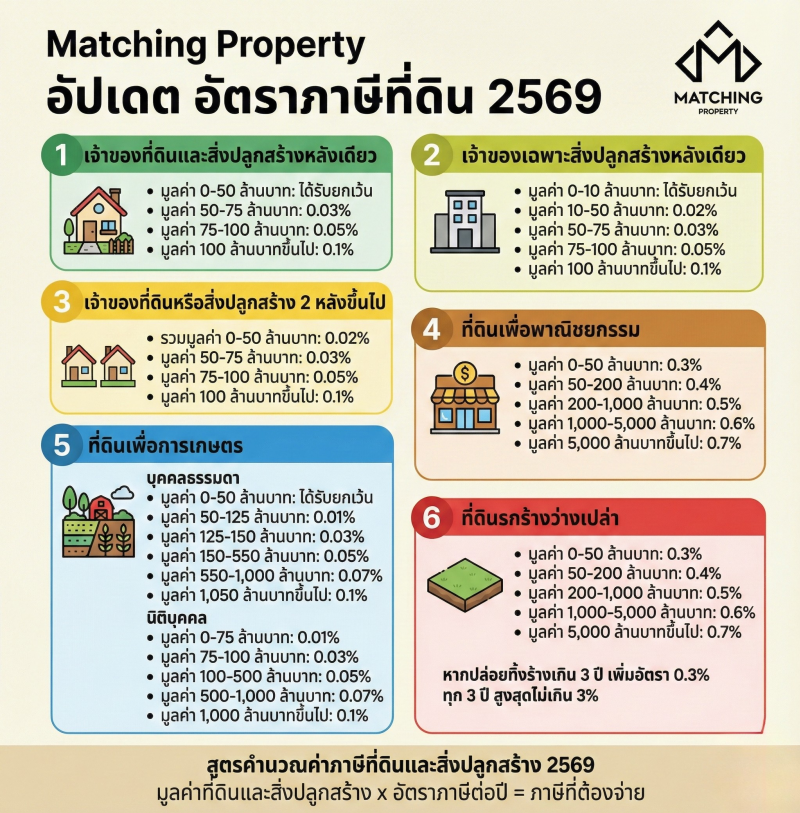
Property performance is not measured only by purchase price and resale value. Holding costs matter, and land and building tax is part of that calculation.
.
Thailand’s tax treatment generally depends on how a property is used, including residential, agricultural, commercial or other use, and vacant or unused land. Ownership structure, appraised value, registration and actual use can affect the result.
.
A primary residence may receive different treatment from an additional home. Commercial assets such as offices, apartments and hotels require their tax expense to be included in operating forecasts.
.
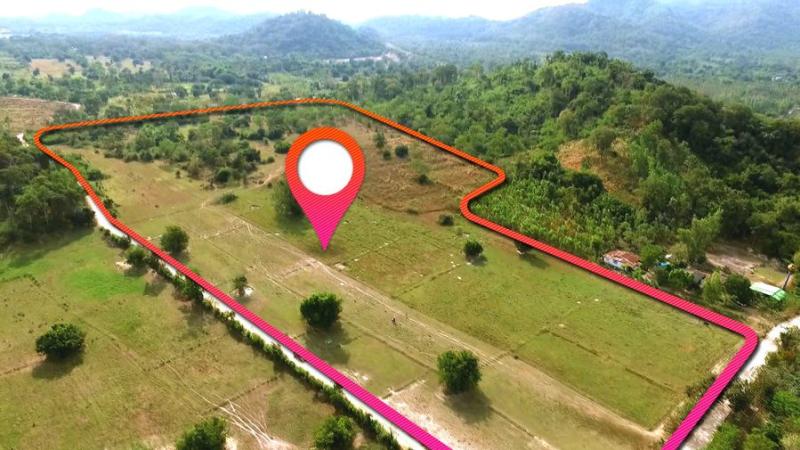
Vacant land deserves particular attention because prolonged non-use may increase the future burden. Investors should compare the cost of holding with realistic development, leasing or disposal plans.
.
A simple planning concept is to identify the taxable appraised value after any applicable exemption and apply the relevant rate. The actual assessment must follow current law and the notice issued by the responsible local authority.
.
Keep ownership records and use information accurate. Review the assessment promptly and use the formal objection process where appropriate.
.
This article is a general overview, not tax advice. Rates, exemptions and implementation can change; confirm current details with the local authority or a qualified tax professional.
.
Join the conversation at
https://www.facebook.com/Ex.MatchingProperty/posts/pfbid0TzmvSnHzM5zp9inp9QQH6oYcLJc9QQXAMQ3xNHG5DAWRFHLBXe5sGLdAMQvc5jwel