






WeChat ID :


Login/Register

 Posted on 18 Nov 2025
 61158
61158


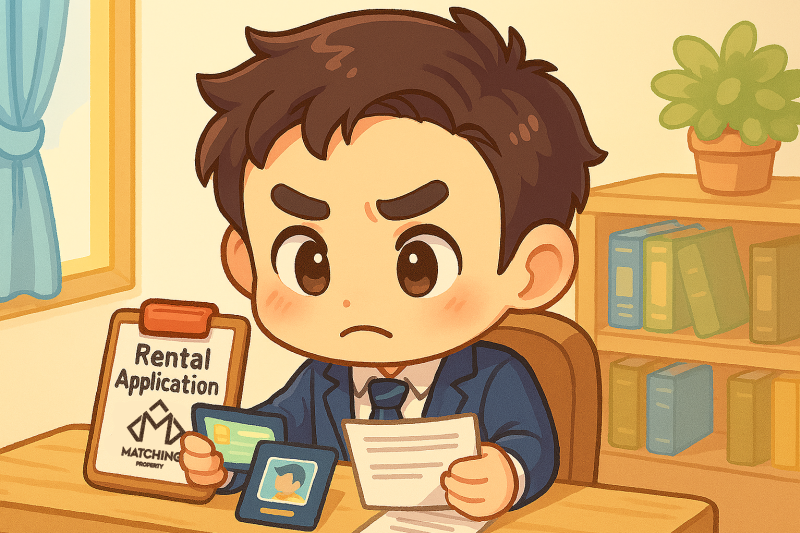
Just buy a condo, find a tenant,
and let the rent roll in — a “passive income,” right?
.
But in reality,
good renting isn’t about finding someone,
it’s about choosing the right one.
.
We’re talking about picking tenants
who bring peace of mind,
not headaches —
people who pay, stay, and respect your property.
.
So here’s the truth:
“How to Screen Tenants So You Don’t Suffer Later.”
.
.
For Thai tenants:
✅ ID card and house registration
✅ 3–6 months of salary slips or bank statements
✅ Employment certificate (if possible)
.
For foreign tenants:
✅ Passport + Visa (check visa type carefully)
✅ Work permit or employment contract
✅ Bank statements
✅ Proof of previous residence in Thailand
(e.g., previous lease or utility bills)
.
If the tenant refuses or gives vague answers —
that’s your first red flag. 🚩
.
.
It’s an art —
ask too directly, and people shut down.
Ask too lightly, and you’ll miss the truth.
.
Sample questions:
✅ Where did you rent before?
✅ Why are you moving?
✅ Do you pay rent on time?
✅ How long do you plan to stay?
.
Watch their tone, posture, and body language.
If they dodge questions or rush through —
they’re likely hiding something.
.
.
In many countries, this is standard.
#It’s strange that Thailand still doesn’t require it.
.
Rent should never exceed 30–35% of income.
If it’s more than 50%, that’s high risk.
.
Tenants should also have 3–5 months of rent
in their savings as a cushion.
For example:
Rent = 50,000 THB →
They should have 150,000–250,000 THB in their account.
.
For expats, if their company covers the rent,
ask for a Letter of Guarantee.
That lowers your risk.
.
.
Some might claim it’s “too personal”
or hide behind PDPA (privacy laws).
But you can still politely request:
✅ Contact info of previous landlord
✅ Or employer (if applicable)
.
This reduces awkwardness
and keeps it professional.
.
.
Direct questions rarely reveal everything —
but social media often does.
.
Check their public profiles —
posts, comments, habits, spending behavior.
You’ll quickly see if they’re stable or risky.
.
If they seem unstable,
increase the security deposit
and specify clear penalties in the lease.
.
In some countries,
landlords even require a guarantor —
and honestly, it’s not a bad idea.
.
.
1️⃣ Too eager — wants to move in, pay, and sign instantly
2️⃣ Refuses to share information, citing “privacy”
3️⃣ Negotiates every deposit and fee
4️⃣ Gives inconsistent or vague answers
5️⃣ Keeps changing conditions — people, price, terms
6️⃣ Disrespects building rules — “my old place didn’t care”
7️⃣ Doesn’t care about house maintenance or fees
.
Screening tenants properly
protects both sides.
Agents should educate clients clearly,
and landlords must evaluate carefully.
.
If your potential tenant shows 2–3 red flags,
walk away.
.
Most landlords choose tenants
based on who can pay.
Experienced ones choose tenants
who won’t cause problems.
.
If you need a reminder,
just look at “gray-area tenants” —
they pay well at first,
then cost you ten times more later.
.
Don’t chase quick income.
Because the wrong tenant
can cost you far more in the end.
.
Join the discussion at
https://www.facebook.com/Ex.MatchingProperty/posts/pfbid02JHLnFMVQ2zM219ihqHdTUnkdh9pgVnizgk5b8xSuL6bP8mqzjLYZPK3TzipnYKnQl